Leaking a little when you cough, sneeze, laugh or jump is so common that many women think it’s just part of having children or getting older. Others feel a sudden, urgent need to go and don’t always make it in time. Either way, bladder leakage can be embarrassing, and it often stops women from exercising, traveling or socializing.
The good news: bladder leakage is very treatable, and the most effective first treatment is free. This guide explains the types of bladder leakage, why it happens, and 10 proven ways to stop it.
Key takeaways
- Bladder leakage (urinary incontinence) is very common in women, especially after childbirth and menopause. It is common, but it’s not something you just have to live with.
- Stress incontinence happens when you cough, sneeze, laugh or exercise. Urge incontinence is a sudden, strong need to go.
- Pelvic floor muscle training is the recommended first-line treatment.
- In a Cochrane review, women with stress incontinence who did pelvic floor training were 8 times more likely to report being cured (56% vs 6%).
- Bladder habits, weight loss, fewer bladder irritants and medical treatments can all help.
Types of bladder leakage
| Type | What happens | Common causes |
|---|---|---|
| Stress incontinence | Leaking when you cough, sneeze, laugh, lift or exercise | Weak pelvic floor after pregnancy and childbirth, menopause, chronic cough, extra weight |
| Urge incontinence (overactive bladder) | A sudden, strong urge to pee, then leaking before you reach the toilet | Overactive bladder muscle, bladder irritants, nerve problems |
| Mixed incontinence | Both stress and urge symptoms | Combination of the above |
| Overflow incontinence | Dribbling because the bladder doesn’t empty fully | Blockage, nerve damage, some medicines (less common in women) |
According to Cochrane, stress incontinence is leaking that can’t easily be controlled during physical activity like coughing, sneezing or changing position, while urgency incontinence happens with a sudden, strong need to urinate. Mixed incontinence is a combination of both.
Why does bladder leakage happen?
Your bladder is held in place and kept closed by your pelvic floor, a hammock of muscles at the base of your pelvis. When these muscles are weak or the bladder muscle is overactive, leaks happen.
Common causes and risk factors:
- Pregnancy and vaginal childbirth, which stretch and can weaken the pelvic floor.
- Menopause: falling estrogen thins the tissues of the urethra and vagina.
- Being overweight, which adds pressure on the bladder.
- Chronic coughing from smoking, asthma or allergies.
- Constipation and straining.
- High-impact exercise, like running and jumping.
- Age.
- Bladder irritants like caffeine, alcohol and fizzy drinks.
- Urinary tract infections, which can cause temporary urgency and leaks.
- Nerve conditions such as diabetes, MS or stroke.

10 ways to stop bladder leakage
1. Do pelvic floor exercises (Kegels)
This is the most important step. Pelvic floor muscle training (PFMT) is recommended as first-line treatment for urinary incontinence in women and improves symptoms in women with stress, urge and mixed incontinence.
A Cochrane review of 31 trials involving 1,817 women found that women with stress incontinence who did PFMT were eight times more likely to report being cured, and women with any type of incontinence were five times more likely. In the stress incontinence trials, 56% reported cure compared with 6% in the comparison groups. Side effects were rare and minor.
How to do Kegels:
1. Find the right muscles: imagine stopping the flow of urine and holding in gas at the same time. That squeeze-and-lift is your pelvic floor. (Don’t regularly stop your urine flow to practice.)
2. Squeeze and hold for 5 to 10 seconds, then relax fully for the same time.
3. Do 10 repetitions, 3 times a day.
4. Add quick flicks: 10 fast squeezes and releases.
5. Breathe normally, and don’t squeeze your buttocks, thighs or tummy.
6. Be patient: results usually take 8 to 12 weeks of daily practice.
A pelvic floor physical therapist can check you’re doing them correctly, which makes a big difference. Many women unknowingly push down instead of lifting up.
2. Use “The Knack”
Squeeze your pelvic floor just before and during a cough, sneeze, laugh or lift. This simple trick can prevent many stress leaks.
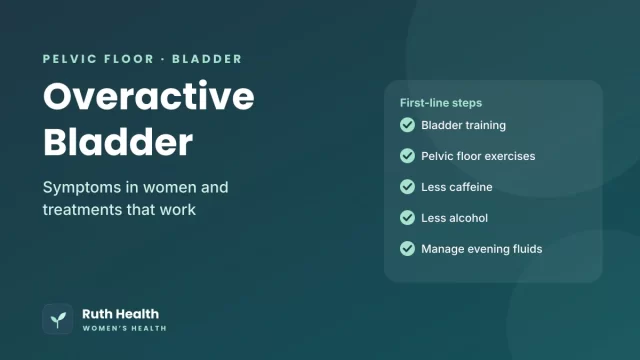
3. Retrain your bladder
For urge incontinence, bladder training gradually increases the time between bathroom trips:
- Keep a bladder diary for a few days.
- When you feel an urge, stop, squeeze your pelvic floor, breathe and wait until it passes.
- Slowly stretch the time between visits by 15 minutes every week, aiming for every 3 to 4 hours.
4. Avoid bladder irritants
Caffeine, alcohol, fizzy drinks, artificial sweeteners, citrus and spicy foods can irritate the bladder and worsen urgency. Try cutting them for 2 weeks to see if symptoms improve.
5. Don’t cut back on water too much
It’s tempting to drink less, but concentrated urine irritates the bladder. Aim for about 6 to 8 glasses a day, and cut back only in the 2 hours before bed if you wake at night to pee.
6. Lose weight if you need to
Extra weight puts pressure on your bladder and pelvic floor. Even modest weight loss can reduce leaks.
7. Treat constipation
Straining weakens the pelvic floor, and a full bowel presses on the bladder. Eat more fiber, drink water and stay active.
8. Stop smoking
Smoking causes chronic coughing, which strains the pelvic floor, and nicotine irritates the bladder.
9. Try vaginal estrogen after menopause
Low-dose vaginal estrogen can strengthen tissues around the urethra and help with urgency and recurrent UTIs in postmenopausal women. Ask your doctor.
10. Ask about medical treatments
If exercises and lifestyle changes aren’t enough:
- Pessaries: small removable devices inserted into the vagina to support the bladder neck.
- Medicines for overactive bladder: such as mirabegron or vibegron, or antimuscarinic drugs.
- Botox injections into the bladder for severe urge incontinence.
- Nerve stimulation treatments.
- Surgery for stress incontinence, such as a mid-urethral sling, when other options haven’t worked.
Bladder leakage after childbirth
Leaking is common after having a baby. Start gentle pelvic floor exercises soon after birth (once comfortable, and as advised by your provider). If leaks persist beyond 3 months postpartum, ask for a referral to a pelvic floor physical therapist.
Bladder leakage during menopause
Lower estrogen affects the bladder, urethra and pelvic floor, and urgency and frequent urination often increase. Pelvic floor exercises, vaginal estrogen and bladder training can all help.
What about bladder supplements?
Several supplements are marketed for bladder control, often containing pumpkin seed extract, soy germ or cranberry. Evidence varies and they aren’t a substitute for pelvic floor training or medical care. Cranberry products may help reduce recurrent UTIs in some women, but don’t treat incontinence itself. See our bladder support supplement reviews, scored with our 11-point audit.
When to see a doctor
See your doctor if:
- Leaks affect your daily life, exercise or confidence.
- You have pain or burning when you pee, cloudy or bloody urine, or fever (possible infection).
- You feel a bulge or heaviness in your vagina (possible prolapse).
- You have sudden new leaks, especially with numbness, weakness or back pain.
- You can’t empty your bladder fully.
Seen ads for a “bladder reset” capsule? Our FemiCore review explains why its ingredients target urinary bacteria rather than the muscles that control leaks.
Frequently asked questions
Is it normal to leak when you sneeze?
It’s common, especially after childbirth and in menopause, but it’s not something you have to accept. Pelvic floor exercises fix or improve it for most women.
How long do Kegels take to work?
Most women notice improvement after 8 to 12 weeks of daily practice. Keep doing them to maintain the results.
Can bladder leakage be cured?
Often, yes. Many women are cured or greatly improved with pelvic floor training. Others may benefit from devices, medication or surgery.
Does drinking less water stop leaks?
Usually not. Very concentrated urine can irritate the bladder and make urgency worse. Drink steadily through the day instead.
What’s the difference between overactive bladder and stress incontinence?
Stress incontinence happens with physical pressure like coughing or jumping. Overactive bladder causes a sudden, strong urge to go, sometimes with leaking. Some women have both.
The bottom line
Bladder leakage is very common in women, especially after childbirth and during menopause, but it is treatable. Pelvic floor muscle training is the most effective first step and is free, safe and backed by strong evidence. Combine it with bladder training, fewer bladder irritants, healthy weight and treating constipation. If leaks don’t improve, talk to your doctor about devices, medicines or other treatments.
Read more in our bladder control guides.